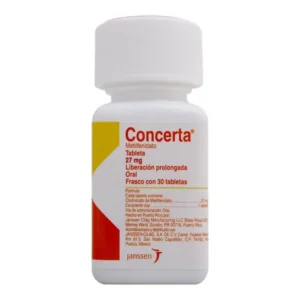
Ritalin (active ingredient: methylphenidate) is a prescription-only central nervous system (CNS) stimulant. It is most commonly prescribed to treat Attention Deficit Hyperactivity Disorder (ADHD) and, less frequently, narcolepsy (a chronic sleep disorder characterized by overwhelming daytime drowsiness).
How It Works
Ritalin works by influencing certain natural chemicals in the brain. Specifically, it increases the activity of two key neurotransmitters:
Dopamine: Involved in pleasure, attention, and movement.
Norepinephrine: Involved in attention and responding actions.
By preventing the brain from reabsorbing these chemicals too quickly, Ritalin helps improve focus, sustain attention, reduce impulsivity, and control hyperactivity in individuals with ADHD.
Primary Medical Uses
ADHD Management: In children (6 years and older), adolescents, and adults, it is used as part of a comprehensive treatment program that typically includes behavioral, educational, and psychological therapy.
Narcolepsy: It helps stimulate wakefulness and manage the severe daytime sleepiness associated with this neurological disorder.
Key Risks & Regulatory Status
Because of its high potential for misuse, physical dependence, and psychological addiction, Ritalin is highly regulated and classified as a Schedule II controlled substance in the United States and is similarly restricted worldwide.
Abuse and Dependence: When misused (e.g., taken in higher doses than prescribed or without a medical need), it can lead to severe psychological or physical dependence.
Cardiovascular Risks: It can increase heart rate and blood pressure. It is generally monitored closely in patients, especially those with pre-existing heart conditions.
Common Side Effects: These include nervousness, trouble sleeping (insomnia), decreased appetite, weight loss, dry mouth, and headaches.